

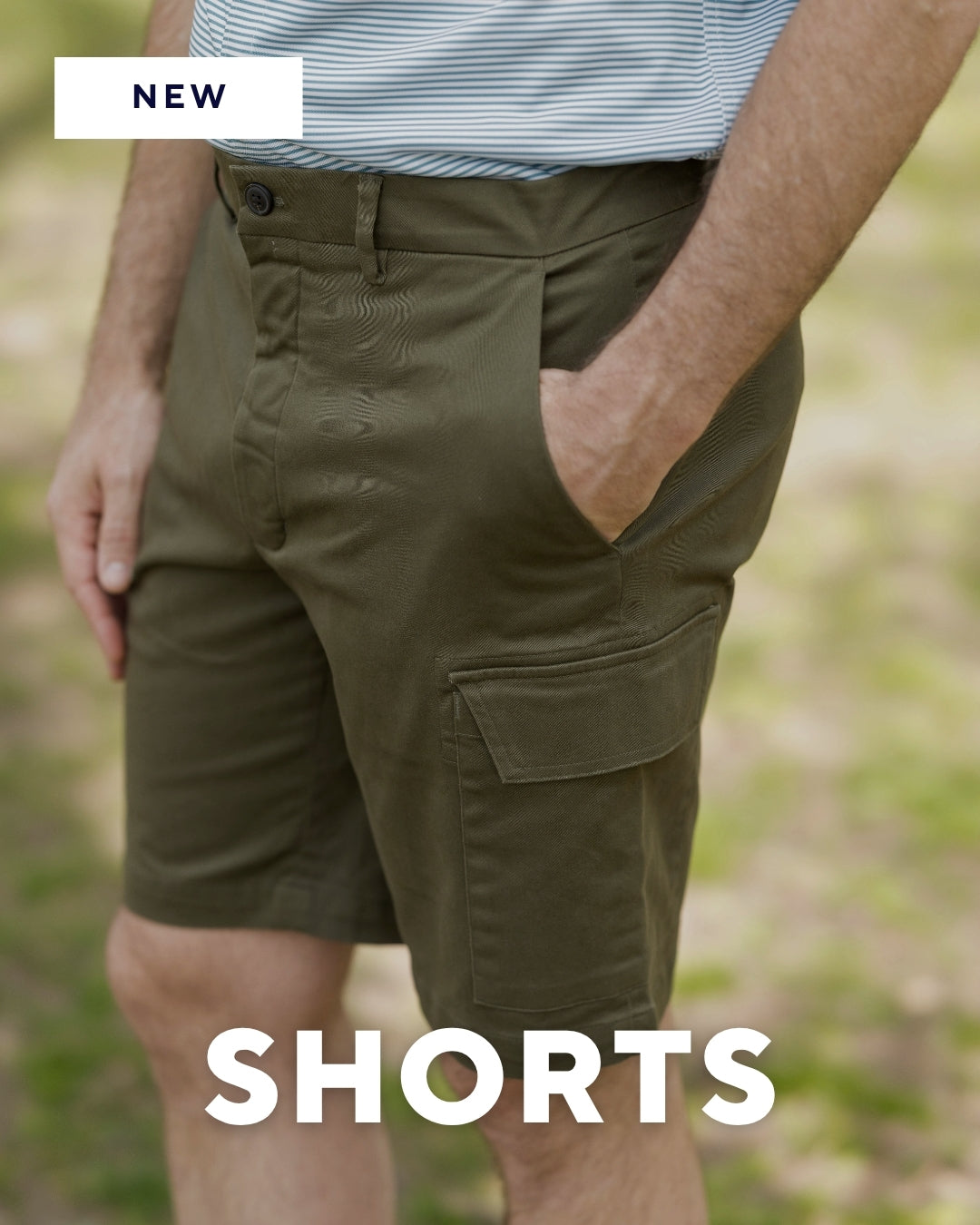


Adaptive clothing is clothing designed with modifications that make dressing easier for people with limited mobility, dexterity challenges, disabilities, or sensory sensitivities. Common features include magnetic closures, Velcro fasteners, elastic waistbands, seated-wear designs, wider openings, and flat seams. Adaptive clothing supports independence for the wearer and eases routines for caregivers.
Who adaptive clothing helps
- People living with arthritis, Parkinson's, ALS, or limited hand dexterity
- Wheelchair users and people with limited mobility
- Seniors who want to maintain dressing independence
- Caregivers dressing a family member or patient
- Anyone recovering from surgery, injury, or stroke
What is Adaptive Clothing?
Whether you're getting dressed for the day or helping a loved one do so, putting on clothes should feel empowering, not frustrating. Adaptive apparel is designed to make that possible.
Adaptive clothing bridges the gap between fashion, functionality, and dignity, from thoughtfully placed magnetic closures to seated-wear designs and sensory-friendly fabrics. It's more than just clothing. It's a tool for independence, comfort, and ease.
From the Caregiver's Perspective: Easing Daily Routines
If you're a caregiver, whether to a parent, partner, or patient, you know how emotional and physical dressing can be for both parties. Adaptive apparel eliminates some of that daily strain by offering:
- Ease of Dressing: Magnetic buttons, Velcro closures, caregiver loops placed in bottoms, open-back designs, and side openings remove the need for fine motor coordination or full range of motion.
- Reduced Stress: Adaptive features simplify the process, easing frustration and helping maintain dignity for the end wearer.
- Time Efficiency: What used to take 20 minutes can take 5, freeing up time for connection rather than complication.
Adaptive apparel isn't just convenient for caregivers. It's a form of care. It turns a potentially tricky moment into a more compassionate, efficient experience.
From the End User's Perspective: Independence and Choice
Adaptive apparel is about freedom, style, and self-expression for the individual wearing the clothing.
-
Accessibility:
- Magnetic and Velcro closures make dressing more manageable for those with limited dexterity or mobility.
- Elastic waistbands offer a more flexible, comfortable fit.
- Pockets are thoughtfully placed for seated access and practicality, ensuring they work with the wearer's needs, not against them.
- Sensory-friendly fabrics reduce irritation for those with sensitivity challenges.
- Dignity and Confidence: When you can dress in clothes you want to wear, you gain more than functionality. You gain confidence.
- Expanded Options: Adaptive apparel opens doors. It allows more people to access the fashion they love, whether they are navigating Parkinson's, arthritis, post-surgery recovery, or mobility challenges.
At its core, adaptive clothing represents opportunity, the chance to dress however you want, without compromise. Whether that means getting back to work, attending an event, or feeling more like yourself, the proper clothing can make all the difference.
Adaptive Apparel is Accessibility
From caregivers seeking solutions to individuals reclaiming independence, adaptive clothing is a game-changer. It's a category built on inclusion, innovation, and respect, offering new ways for everyone to engage with fashion on their terms.
The world of adaptive apparel is growing, and so are the opportunities within it when people have the right tools, even something as simple as a shirt, the possibilities expand far beyond the closet.
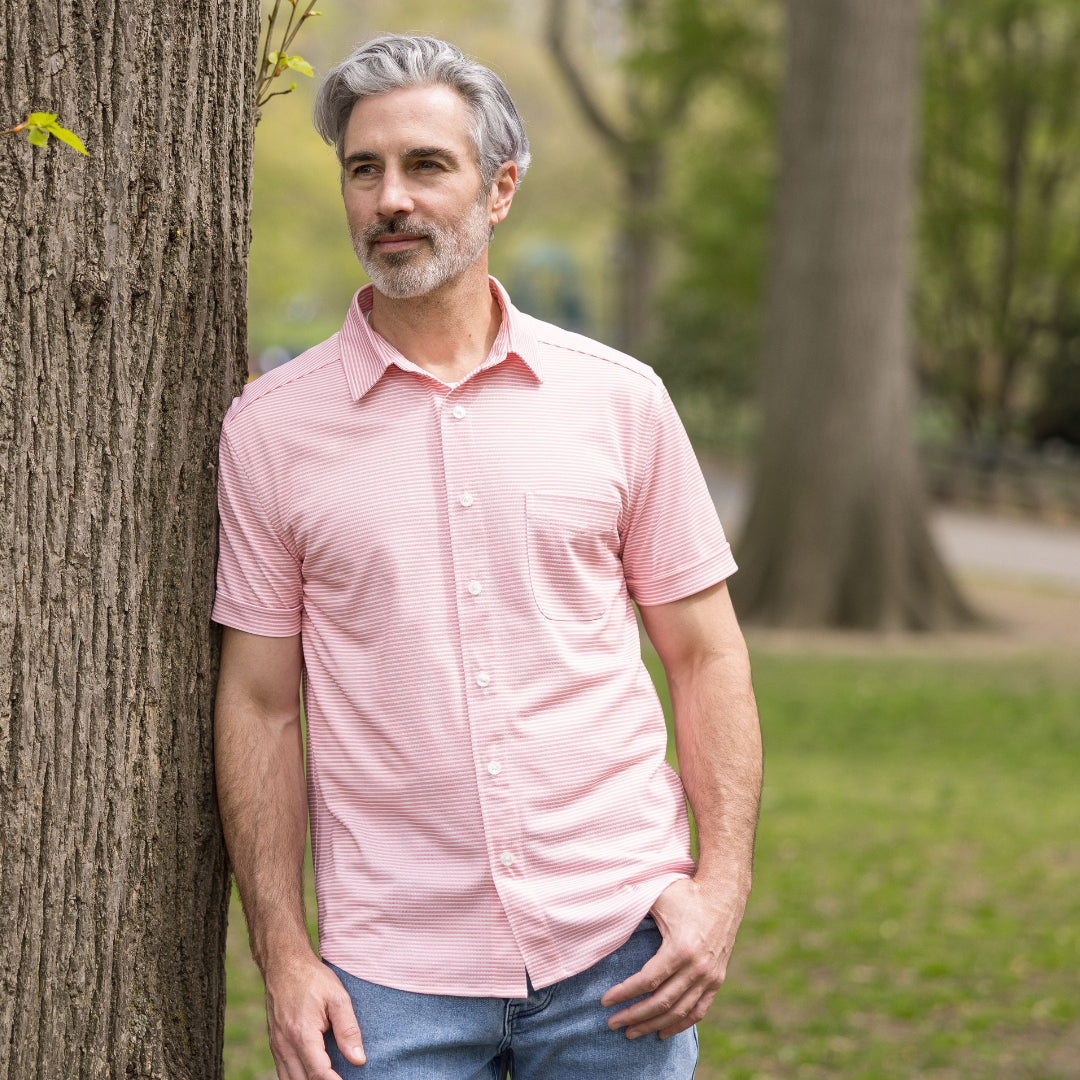
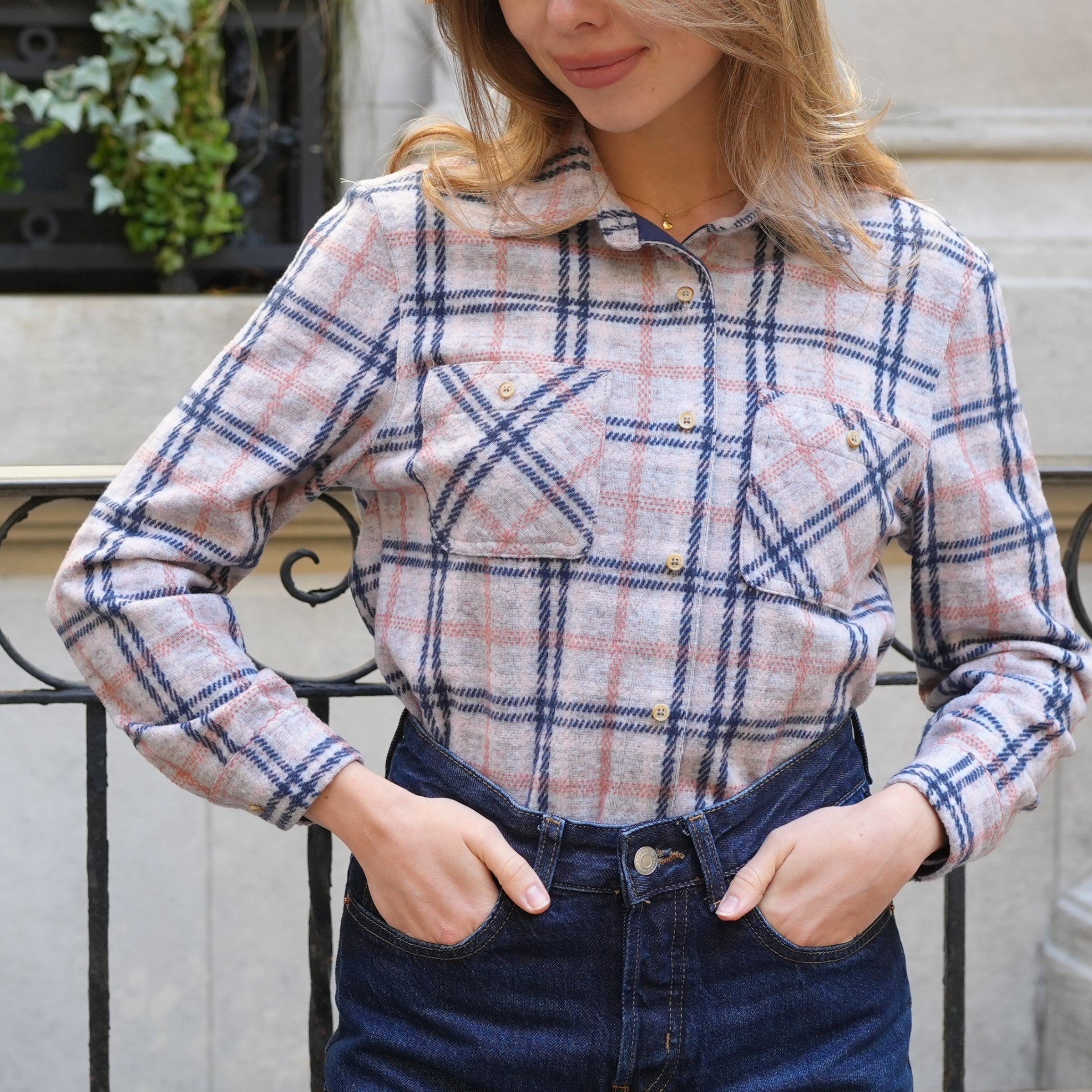
Browse the full lineup of men's adaptive clothing, with dress shirts, flannels, cooling-tech polos, and pants with magnetic flies. Or explore women's adaptive clothing, with blouses, pants, sweaters, and activewear. Every piece uses the patented MagnaReady magnetic system for Stress-Free Dressing® in seconds. FSA/HSA eligible. Free shipping on orders over $89.
What's New in Adaptive Clothing (Updated June 2026)
The adaptive clothing market continues to grow as more brands recognize that inclusive design is not a niche category but a necessity. Major retailers have expanded their adaptive lines, and the conversation around accessible fashion has moved from specialty blogs to mainstream publications.
For people living with Parkinson's, arthritis, ALS, stroke recovery, or other conditions that affect mobility, the options available today are better than they were even a year ago. Magnetic closure technology has improved, fabrics have gotten softer and more breathable, and the styles themselves look like what you'd find in any department store. That last part matters. Nobody wants their clothing to announce a diagnosis.
MagnaReady's adaptive clothing collections now span dress shirts, casual wear, outerwear, and bottoms for both men and women. If you're exploring adaptive clothing for the first time, start with one piece that solves your biggest daily frustration. For most people, that's a button-down shirt.

Leave a comment
This site is protected by hCaptcha and the hCaptcha Privacy Policy and Terms of Service apply.