




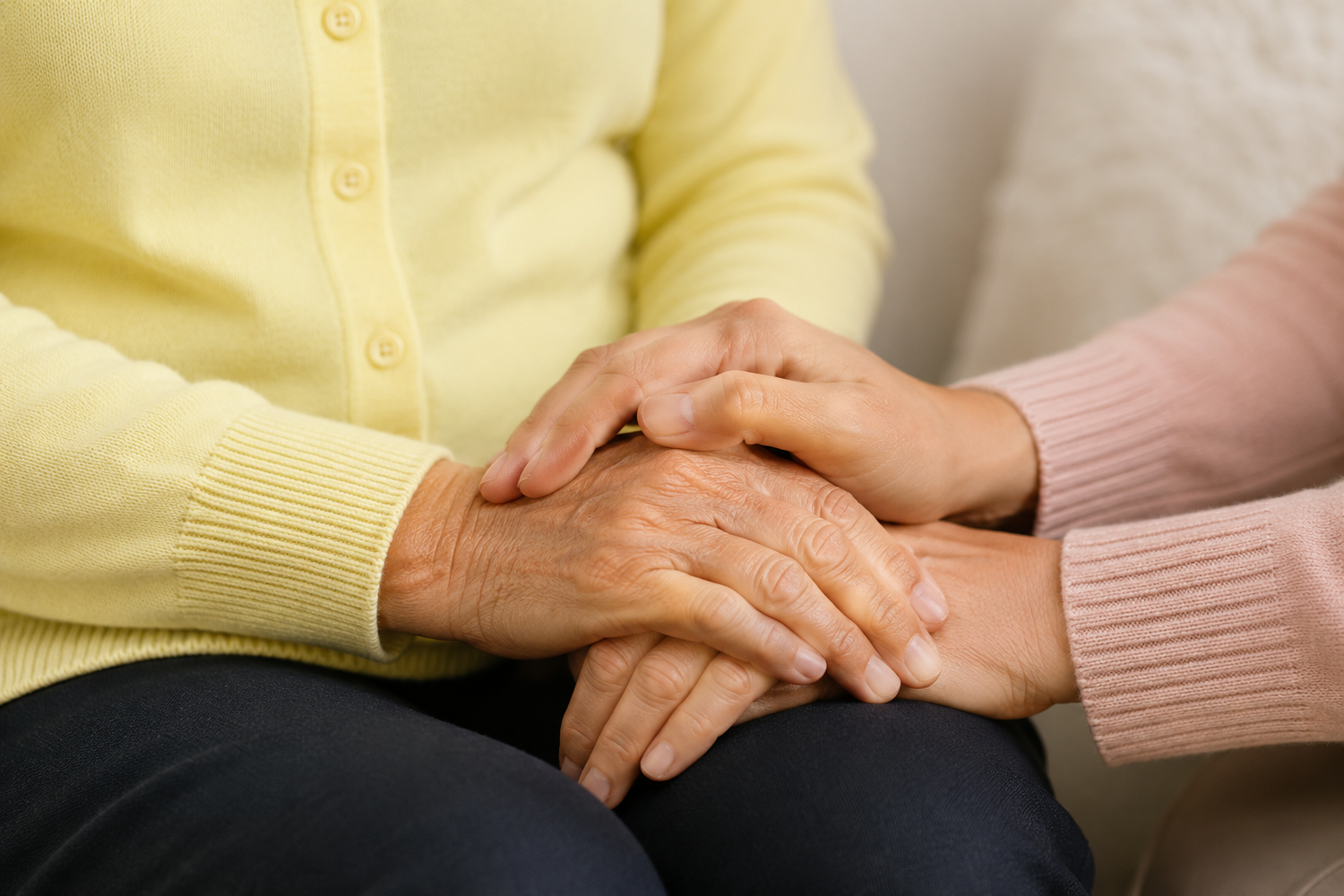
At Adaptive Equipment & Caregiving Corner, we often meet families in the seasons of life they never expected, like when roles begin to shift, and the person who once cared for everyone else now needs care herself.
Mother’s Day is a time to celebrate moms, but for many families, it is also a time of reflection. It can bring both gratitude and grief, especially when a mother is living with conditions like dementia that affect her independence. We frequently work with spouses who suddenly find themselves in the role of caregiver, and for many, this is unfamiliar territory.
We once worked with a husband caring for his wife, a mother living with dementia. For most of their lives, she had been the one managing the home and caring for their children. She was highly intelligent, organized, and took pride in how she presented herself. Dressing had always been second nature to her. However, as her dementia progressed, that changed.
The husband found himself struggling with simple daily tasks like helping her get dressed. One of the biggest challenges was putting on a blouse. He would try to help her lift her arms overhead, but she would resist or become uncomfortable, sometimes even expressing pain. He felt frustrated and unsure of what to do, and more than anything, he felt sadness.
He shared that she had always been “the smartest person he had ever known,” and it was difficult to watch her struggle with something as basic as getting dressed. At the same time, he was not used to breaking tasks down into small steps or giving verbal cues. Like many caregivers, he found himself trying to do everything for her rather than guiding her to do what she still could.
This is where small changes can make a meaningful difference. We started by having his wife sit down while dressing, which immediately improved safety and reduced physical strain for both of them. Then we focused on participation. Instead of completing the task for her, we encouraged him to allow her to do as much as she could, offering simple, one-step directions such as “Put your left arm in the sleeve.”
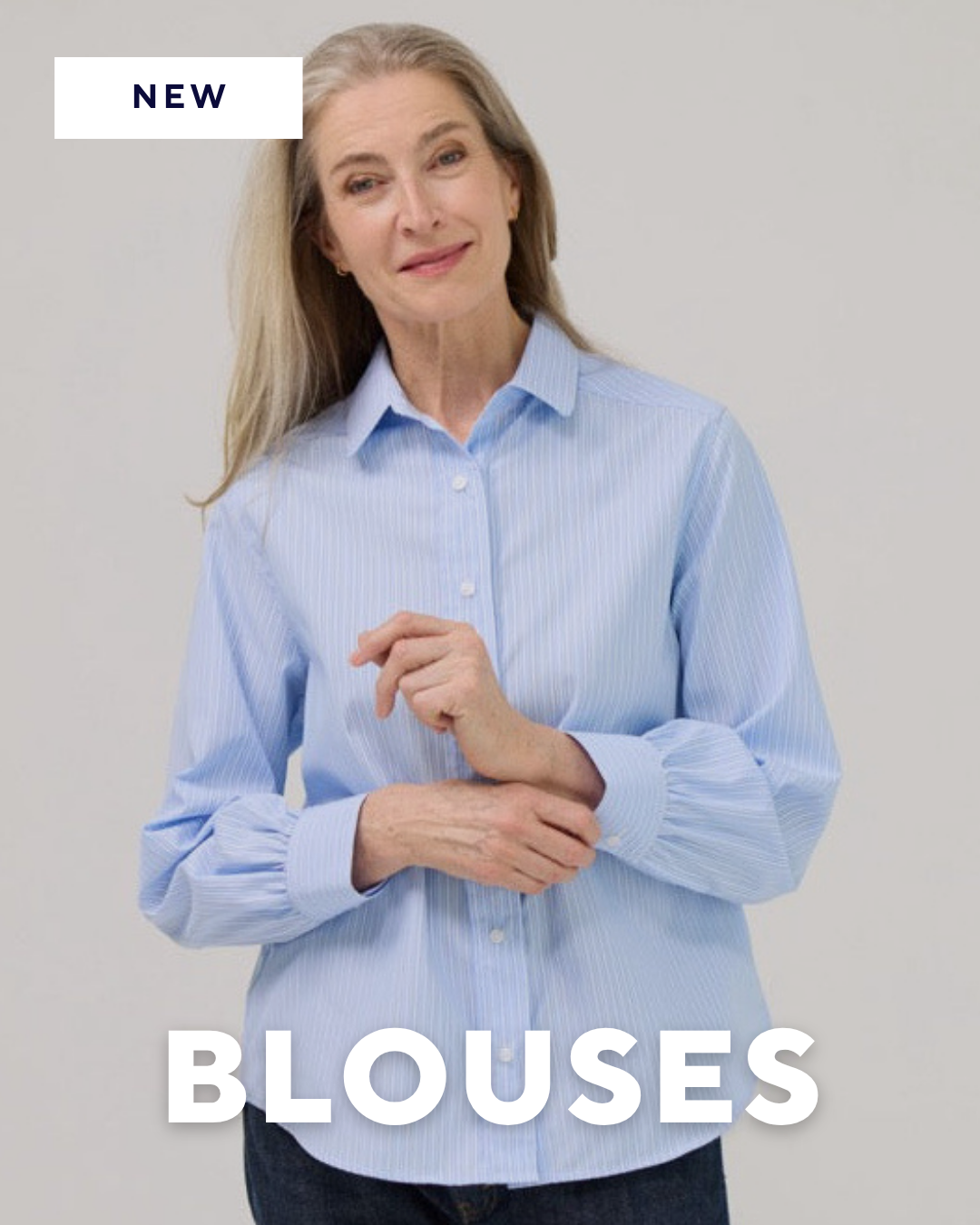
To reduce overwhelm, we guided him to offer no more than two blouse options at a time. This preserved her ability to make choices without creating confusion or frustration. We also recommended switching to button-up blouses, which eliminated the need for painful overhead arm movements and made the process more manageable.
Over time, these small adjustments began to change everything. His wife became more engaged in the dressing process and was able to participate in a way that preserved her dignity and sense of self. The husband began to feel more confident and less physically strained, and dressing became less of a struggle and more of a shared routine.
Adaptive clothing played an important role as well. By reducing the need for fine motor control, minimizing overhead movement, and simplifying fasteners, it allowed his wife to be more independent while reducing the physical and emotional demands on him.
What stood out most was what happened next. Their daughter, who lived out of town and had initially called us in to support her parents, later shared how pleased her father was with his wife’s progress. He felt relief. He felt capable. And she felt reassured knowing her parents were able to remain safe, comfortable, and together in their home.
Caregiving is not just about completing tasks; it’s about preserving relationships. This Mother’s Day, we honor not only the mothers who have given so much, but also the caregivers who are learning, adapting, and showing up every day in new and challenging ways. With the right strategies, tools, and support, dressing can become more than a task. It can become a moment of connection, dignity, and care.
More Stories from Our Community
If this story resonated with you, read Caring with Love, Not Alone for another caregiver's journey. And our Caregiver's Guide covers practical dressing tips for anyone helping a loved one.
Adaptive Clothing for Dementia Caregivers
If you're helping a loved one with dementia get dressed each day, you don't have to do it the hard way. Our women's adaptive clothing and adaptive clothing for seniors use magnetic closures that simplify dressing while preserving dignity. Learn more about what adaptive clothing is and how it helps.




Leave a comment
This site is protected by hCaptcha and the hCaptcha Privacy Policy and Terms of Service apply.